






Understanding the Difference Between Business Visas and Work Permits
Confused about whether you need a business visa or a work permit? Our guide highlights the differences and helps you resolve the dilemma effortlessly.
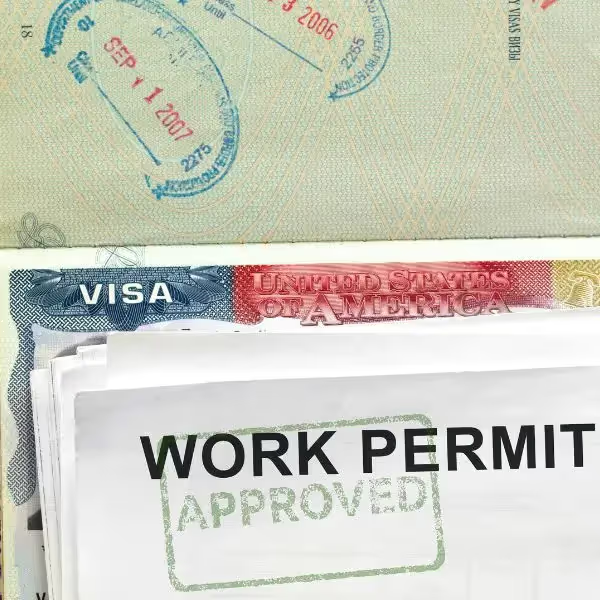
Navigating the visa requirements for your employee business travels can be quite the puzzle, leaving many professionals wondering what type of visa they actually need - or whether they need one at all. The distinction between a work permit and a business visa often creates confusion, especially when the stakes are high and travel plans are on the line.
Even though employees travel for business so frequently, it is still surprisingly easy to get lost in the maze of international visa regulations. To help clear this confusion, we've put together a practical guide that will help you determine whether your employee qualifies for a business visa or a work permit.
Understanding the differences: Business visas vs. Work permits
Business Visa
A business visa is specifically issued for permissible business activities such as attending meetings, participating in conferences, or exploring new business opportunities. The key here is that it focuses solely on facilitating business logistics and building professional relationships, while explicitly excluding any form of labor or services that would constitute actual work.
Work Permit
In contrast, a work permit is granted to foreign nationals who will be engaging in paid work or fulfilling contracted labor obligations. This type of authorization is designed specifically for employment purposes, whether that's full-time, part-time, or project-based work arrangements.
It's worth noting that work permits often require extensive documentation and personal appearances at embassies or consulates. The process of obtaining a work permit is generally much longer and more complex compared to acquiring a business visa, which makes understanding the distinction all the more important for your travel planning.
The choice between these two options ultimately hinges on both the nature and duration of the activities you're planning in the host country. While work permits are suited for long-term employment arrangements, business visas offer a more streamlined solution for short-term business engagements.
Breaking down the practical differences
Let's examine the specific factors that differentiate these two types of authorization:
1. Nature of activities
Work permit: primarily intended for employment purposes and authorize foreign nationals to work and earn income in the host country. Importantly, work permits are tied to a specific job and employer, creating a formal employment relationship.
designed for individuals who need to engage in business-related activities without entering into formal employment. These activities typically include attending meetings, participating in conferences, conducting negotiations, or exploring investment opportunities.
2. Employment arrangements
directly linked to formal employment relationships.
specifically created for individuals who need to conduct business activities without establishing any employment ties in the destination country.
3. Length of stay
given their employment-focused nature, can be granted for much longer durations to support ongoing work relationships.
typically accommodate temporary, short-term stays, often ranging from 30 to 90 days within a 180-day period.
Practical guidelines: Which category does your employee fall into?
Your employee will likely need a business visa if:
Their activities during the trip are limited to attending meetings, conferences, trade fairs, or negotiating business deals
They maintain their primary residence outside the country you're visiting
Their manager operates from a different country than their destination
Their employment relationship and salary are tied to a company outside the host country
However, they may need a Work Permit if:
Their work activities extend beyond occasional meetings to include day-to-day operational responsibilities
Their activities in the country might lead to direct profit generation
They require specialized technical equipment to perform your tasks
They are managed by someone who is based within the host country
Their sole residence is located in the country you're visiting
Their salary originates from a company that operates within the host country
When you find yourself uncertain about which category applies to your situation, it's always wise to consult with a visa service provider to make sure your employees' documents are in line with the nature of their business trip and most up-to-date regulations.
Making the right choice for the business trip
Understanding these nuances between business visas and work permits empowers both individuals and businesses to navigate international travel and employment requirements more effectively. This knowledge ensures compliance with local regulations while maintaining seamless operations across international borders.
We hope this comprehensive guide helps you determine whether you require a work permit for your upcoming business trip. Remember, when you're uncertain about any aspect of your travel authorization requirements, it's always best to seek professional advice from your Global Mobility advisor, HR department, or legal counsel before proceeding with your plans.
Still have questions about visa requirements and business travel authorization? WorkFlex team is here to help you navigate these complex regulations and ensure your business travel goes smoothly. Book a free meeting with our consultants here.
Keep reading.

A1 Certificate Exemption for Short-Term Business Travel: What Employers Need to Know
A new EU agreement would exempt short-term business trips from A1 certificate requirements. But the rules are nuanced - here's what employers should know.
Read more
When do business trips become taxable? 5 key triggers
Learn when business trips become taxable and trigger employment tax obligations in destination countries. Discover 5 key contributing factors!
Read more
Travel risk management in practice: What really happens when employees face a crisis abroad
Real cases reveal what employee crisis response looks like when it actually matters — and why most companies aren't ready.
Read more